There are obvious advantages of experiencing life in a new country: meeting new people from outside of your personal bubble, exploring little-known customs and traditions, or getting a better understanding of local history and politics.
There’s much more to living abroad than making vlogs about all the food you’re enjoying. If you’re considering moving to a new country, learn about the surprising benefits of living abroad—hopefully, they’ll help you make up your mind!
Seeing your home country in a new perspective
If you lived somewhere for over 20 years, chances are that you rarely learn something new about it. You know what to expect at a family Christmas celebration or a friend’s wedding, and you more-or-less understand local politics and history.
Moving to a new country can put all of these things in a new perspective. Suddenly, all the things you loved might not be available—and you may even start re-evaluating the things you used to complain about. The things you considered obvious may not be so obvious anymore.
Here’s an example: I used to be terrified of bureaucracy in my home country. Applying for my first ID card when I turned 18 required two photos, a paper form, three appointments with civil servants (each one saying that they’re not the right person and to go to a different one), and physically going to a cash-only pay window on a different floor than the rest of the registry office. It took around 5 hours. A few years later, I moved to China and discovered that the Polish bureaucracy was for amateurs.
Learning what travel blogs don’t tell you
You can find thousands of posts outlining major tourist spots in pretty much every country on the planet. They’ll tell you which hotels to avoid, what food you must try, and where to get the most authentic experiences. But real authenticity comes when you get to know the locals.
It’s probably my favourite benefit of living abroad. No matter the country, I’ve always met great people who were interested in learning my story and telling theirs in return. They offered a real glimpse of life in the given place, plus helped me understand the culture, languages, and customs. Some invited me to weddings, others brought traditional food from their hometowns. All of them helped me learn invaluable life lessons.
Experiencing stuff you’ve never anticipated
Everyday life can be rather predictable. Living abroad is anything but. There’s something about moving to a faraway land that makes everyone more adventurous. When you find yourself in a strange place where you don’t know anyone, you’re likely to jump at any opportunities to meet new people, visit a new restaurant, or explore an unknown area. And this often leads to unexpected outcomes.
In 2013, I stayed in a second-tier city in China, where expats were scarce. One time, a local guy living in the same apartment complex asked if he could invite me to dinner so he could practice English with me. The dinner turned into beers in a local bar, and then, at 2 a.m., into a taxi ride to his company office, where he prepared a full-blown two-hour tea ceremony for me. It was the most luxurious tea I’ve ever tried. It was also something that I would’ve never experienced in my home country.
Developing resilience
Imagine: it’s the middle of the night. You’ve been traveling for the last 36 hours, haven’t showered in two days, and you’re in the middle of a foreign country. You’re dropped off in a flat that’s going to be yours for the next 6 months. There’s no heating, the kitchen is full of unspecified bugs the size of your fist, and the bathroom is across a communal hallway—you pass a cage with a live rooster on the way there. The bathroom walls are covered in slugs. And your workday starts in less than 12 hours.
And then, surprisingly, you get used to all of this very quickly!
Before moving abroad, I didn’t consider myself resilient. I was rather shy, very demure, very mindful, and full of anxiety. Living far from my home country forced me to dig deep into hidden layers of bravery and problem-solving skills. I needed it every day—for example, to use my beginner Mandarin to buy vegetables at a street market, to fix a fridge door using chewing gum and a plastic bottle cap, or to keep my cool when COVID-19 restrictions forced me to stay in Calabria for five months instead of two.
Putting your beliefs to test
Before moving to China, I was a hardcore rationalist. I didn’t believe in anything spiritual. Then, I spent a year living in an apartment where strange things happened. Cabinets opening by themselves, strange voices echoing at night. Plus, an eerie feeling that someone was watching me. At times, I could almost see a dark figure in the corner of my eye, but whenever I turned to look, there was nobody. It certainly didn’t help that said apartment was on the 4th floor, as in Chinese culture, number four is associated with death.
After a few months of this high strangeness, I’ve reluctantly come to accept that the place is haunted. It forced me to confront my views on life and death, and trust me, it wasn’t easy. But it made me more open-minded, and that’s a good thing.
Trying out a minimalist lifestyle
When I lived abroad, all my belongings fit into one large suitcase. I was trying to save money, so I didn’t want to pay additional airline fees for extra luggage. I had two or three sets of smart casual clothing for work, plus two or three sets of T-shirts and jeans to wear on days off.
Having no extra items in your luggage also means that you don’t bring anything for your new home. Sometimes I moved into apartments that had all necessary utilities such as dishes, pots, and microwaves—but that wasn’t guaranteed. My apartment in Moscow had a soviet-era samovar but didn’t have an electric kettle. One apartment in China came with a set of 4 incredibly dirty cups and nothing else.
It was a minimalist lifestyle that had its advantages, mainly: it helped to save money. But the thing is: I hated it. Before moving abroad, I was an artsy chick who designed her own outfits. I missed buying books and art supplies. I missed decorating my apartment. So I learned another thing about myself: minimalism isn’t for me.
Getting to experience celebrity life on a small scale
If you move to a country where the vast majority of locals are of a different ethnicity than yours, you’re likely to stand out. That happened to me when I moved to China—I didn’t work in any of the major cities, which made me even more of a rarity.
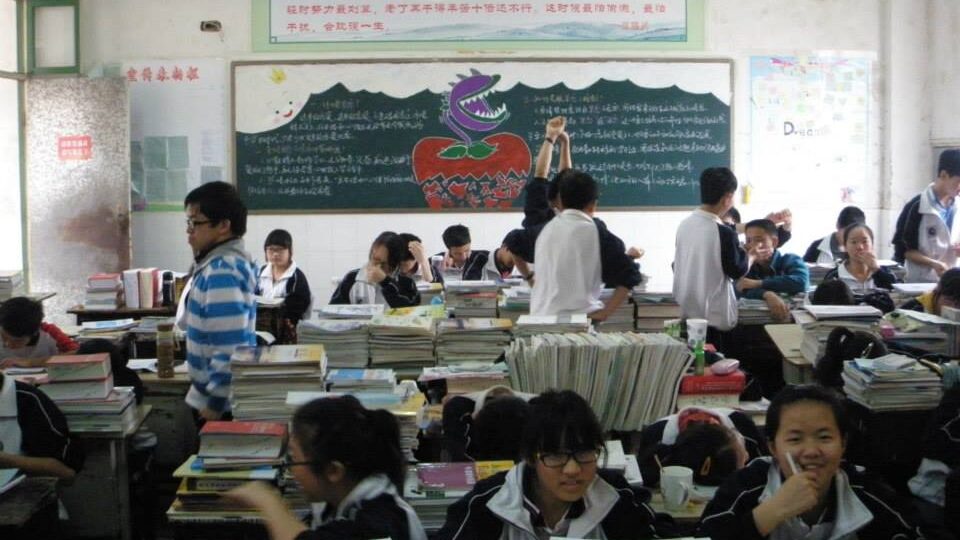
The smallest town I lived in was located in Hunan province, and there were only two non-Chinese people there (including me). After a month, pretty much everyone has heard about me, including where I was from, where I worked, and where I lived. Luckily, everyone was happy that I was teaching kids at the local school, so I never had any negative experiences. The main drawback? I was approached by dozens of people daily, and they kindly asked if they could take photos with me. I always agreed, as it truly made their days.
Understanding the real value of important things
Taking things for granted is a common fault in humans. If you’re one of those restless types that get bored easily—like me—then you may find it difficult to understand how valuable some things in your life are. Moving abroad can help you take a fresh look at your life and realise what’s really important for you.
For example: living abroad helped me understand the value of human connections. I’m very introverted, so I tend to dream of deleting all social media and moving to a remote cave from time to time. I struggled to make friends as a teen, so in early adulthood I thought that I didn’t need people that much. But several years of living abroad made me realize I really missed spending time with my closest friends—the people who have known me for years and have supported me through highs and lows. It also helped me understand that meeting new people is important at all stages of life, because you never know which acquaintance might eventually turn into a good friend.
Having the most random facts to share with others
I’m sure you know these ice-breaker questions like: “What’s a fun fact about you?” or “What’s the strangest food you’ve eaten?” A fun benefit of living abroad is that you’re going to ace these questions. You may even struggle to pick just one fun thing to share.
My top random facts?
- I know the Mandarin Chinese term for dating when you’re too young: 早恋 zaolian
- I have seen Lenin’s mummy twice.
- Tofu was invented over 2,000 years ago in a town called Huainan in China. (I spent 6+ months there.)
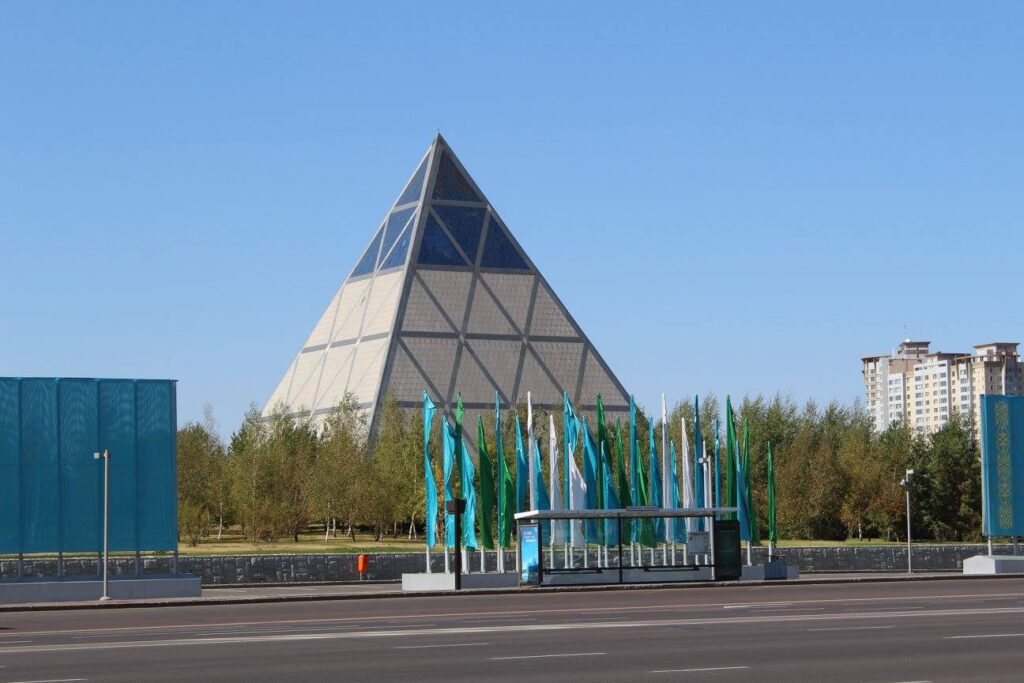
- There’s a glass pyramid in the capital of Kazakhstan. (and I have visited it!)
- There’s more than one kremlin in Russia.
Final thoughts
I hope that my list of surprising benefits of living abroad has given you a better idea of what expat life is like. Maybe it helped you decide whether to give it a try? If anything I’ve mentioned in this article sparked your interest, let me know in the comments—I’ll be happy to read your thoughts.